
Willoughby Hills, OH
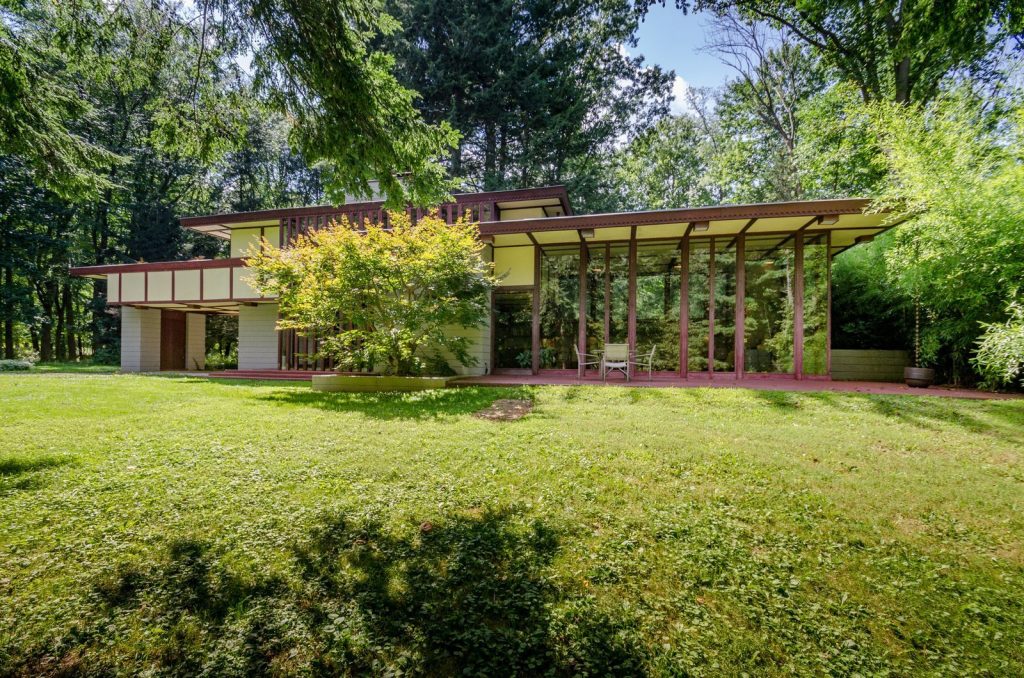
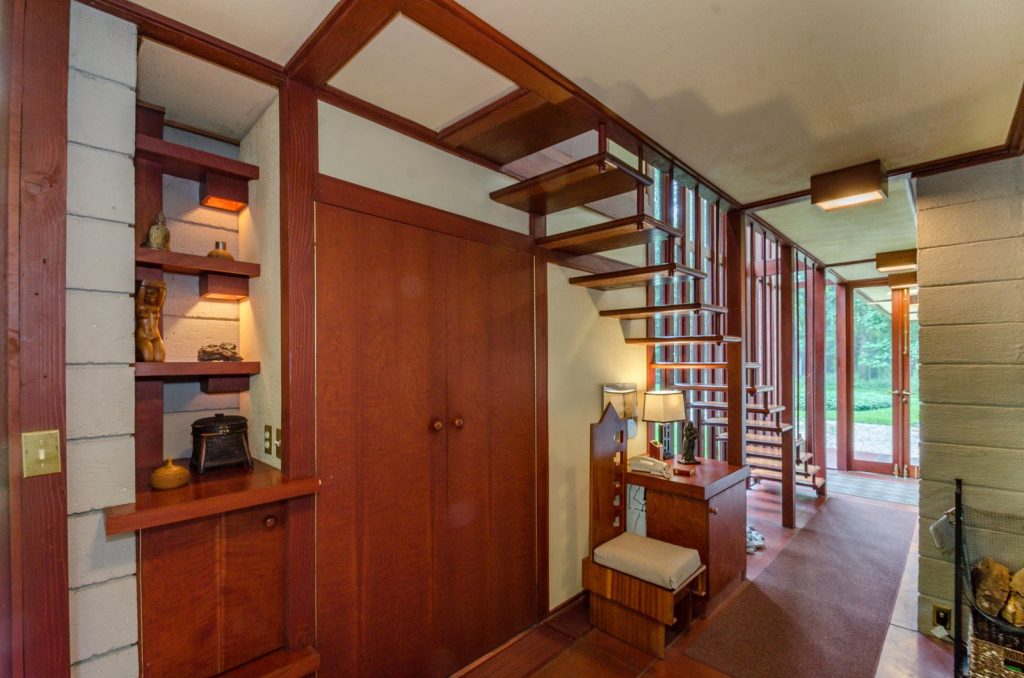
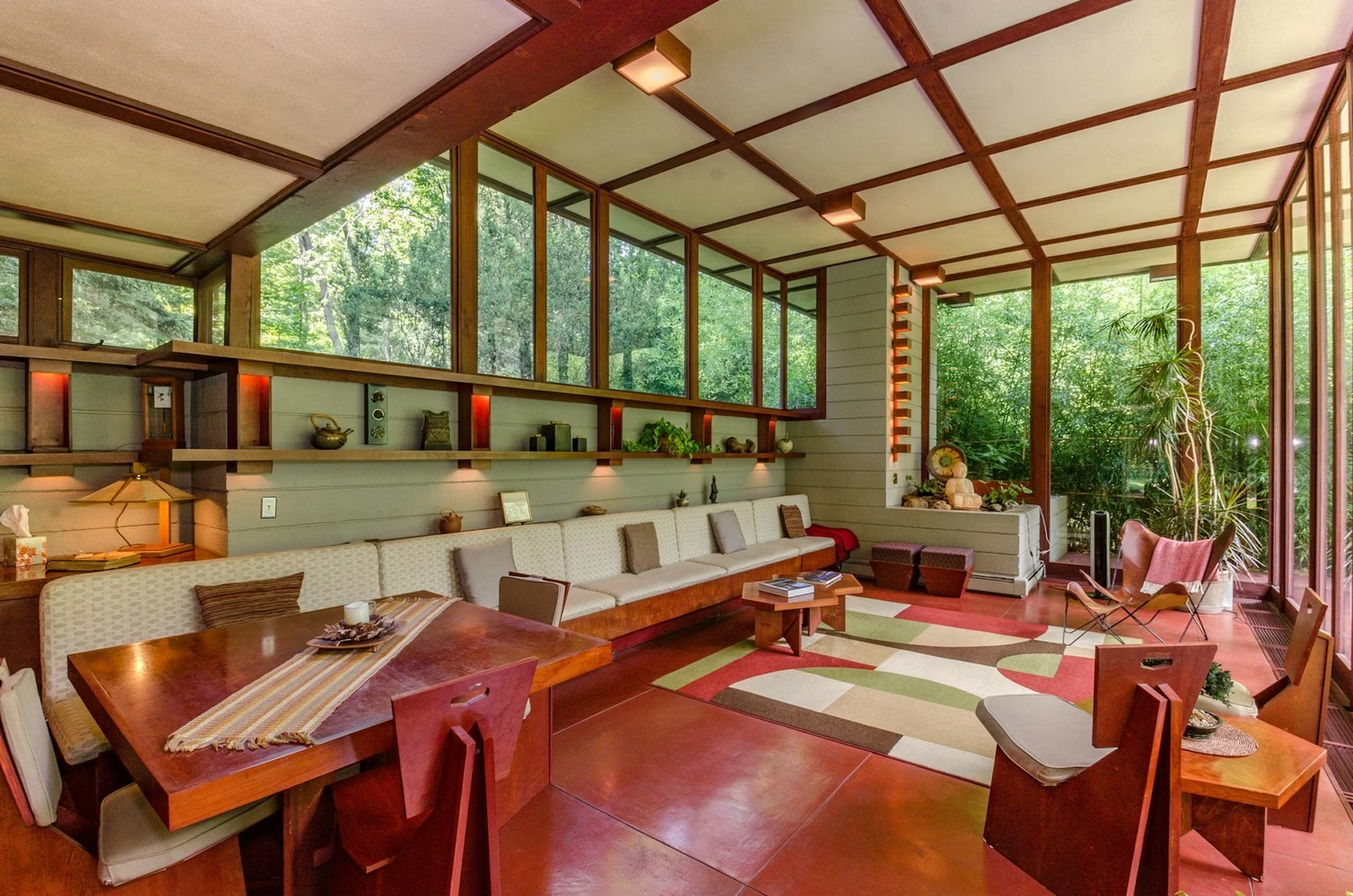
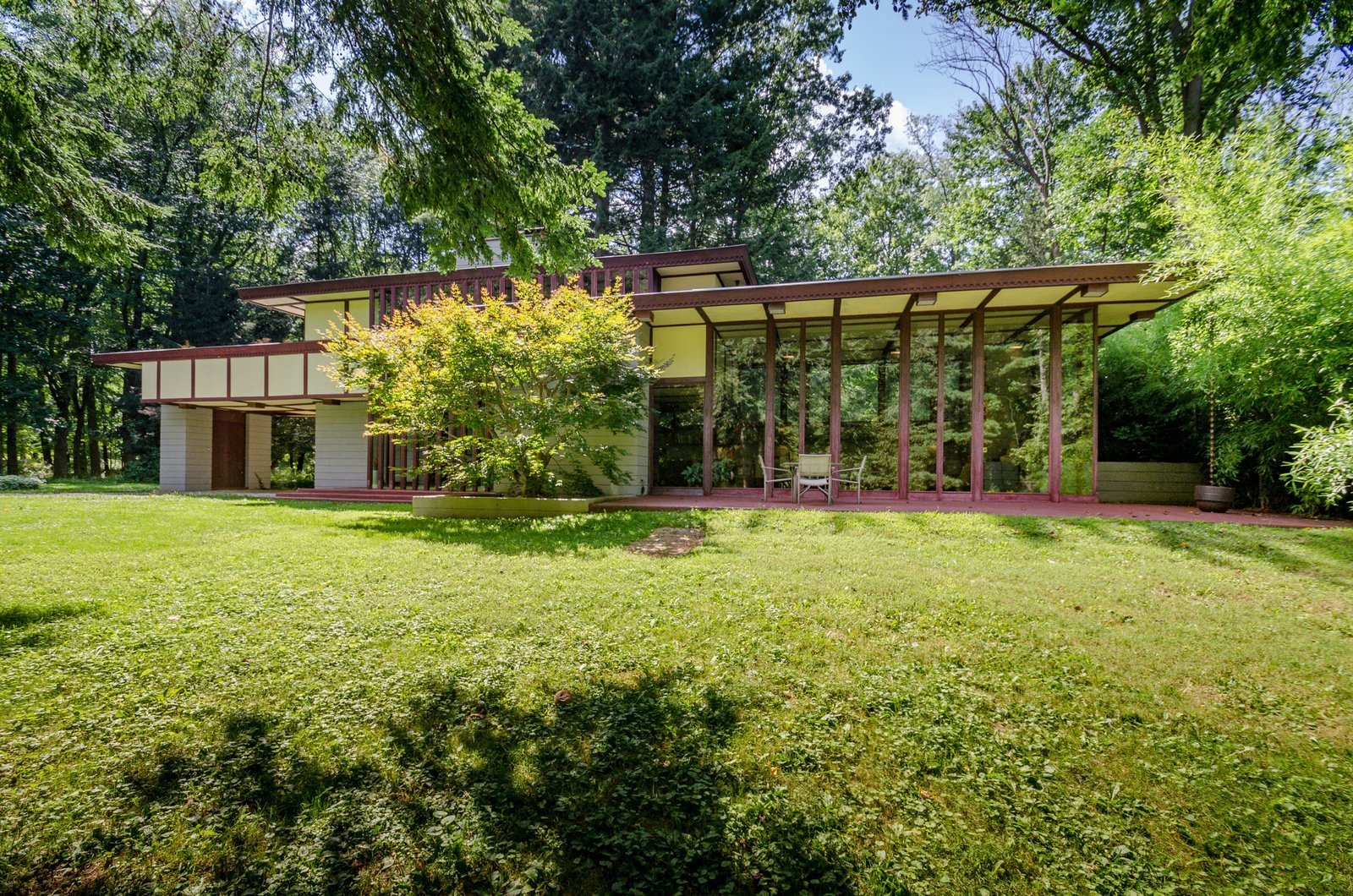
In 1952, an art teacher from Ohio walked into Frank Lloyd Wright’s studio in Wisconsin and asked a bold question. Could Wright design a house for someone as tall as him? Louis Penfield stood six feet eight inches tall, and he had spent years dreaming about a home that actually fit his frame. Wright looked him over, told him he was a weed, and walked away. Six months later, Penfield received a set of drawings in the mail. Wright had said yes. Wright completed the Penfield House in 1955 on a 30-acre property along the Chagrin River in Willoughby Hills, Ohio, just outside Cleveland. The house follows the Usonian style Wright had developed in the 1930s. It sits low to the ground, uses no basement, and opens up toward the landscape with large windows. But Wright made key changes to fit his unusually tall client. He raised the ceiling heights throughout the house. He designed 16 thin vertical ribbon windows that ran from floor to ceiling, drawing the eye upward and making the space feel suited to someone of Penfield’s height. He widened the stair steps and kept the handrails at a comfortable level. Every detail reflected the person who would live there. The house felt custom because it was custom, right down to the doorframes. Wright used wood panels, concrete blocks, and light cemesto board for the walls. The house cost $25,000 to build, which Penfield stuck to strictly. When the budget ran out, construction stopped. Some of the furniture and cabinetry Wright had designed never got built during Louis Penfield’s lifetime. The Penfield House does something unusual for a Usonian home. Most of Wright’s Usonian designs spread out horizontally and keep a very low roofline. The Penfield House pushes upward instead. The vertical ribbon windows give it a taller, more dramatic look than most homes in the Usonian series. It proves that Wright could adapt his ideas to fit a specific person rather than applying a single formula to every project. The house sits on a rise above the Chagrin River, and Wright oriented the main living spaces toward the water and the trees. A combined kitchen, dining, and living area takes up the first floor. Three bedrooms sit above the kitchen on the second level. A floating staircase, supported by ceiling beams, connects the two floors and serves as one of the home’s most striking features. Louis Penfield died in 2002. After his death, his son Paul spent four years and $100,000 restoring the house to its original condition. Paul also completed the furniture and cabinetry his father had run out of money to finish in the 1950s. He used black cherry wood from trees that had fallen on the property, keeping the materials local just as Wright had intended. The house now sits on the National Register of Historic Places. Visitors can rent it for overnight stays, which gives them the rare chance to actually sleep in a Wright-designed home. The Penfield House stands as one of the best examples of how Wright shaped his Usonian ideas around the real needs of real people.A House Shaped Around One Person
What Makes It Special
The House Today